
About
A Middle Path Between Endless Therapy and Quick-Fixes
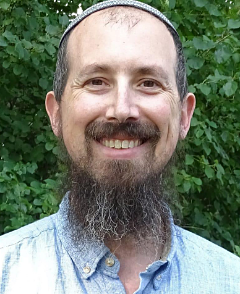 I'm Eitan, a certified schema coach trained at the Schema Coaching Academy, and also a rabbi, husband, and father. I work with thoughtful people on the patterns that quietly run in the background. Here's the thinking behind Deep-Change Coaching.
Why this approach
Deep-Change Coaching is my plain-language name for schema-coaching. The clinical term. "schema therapy/coaching," works for me (my BA is in philosophy), but it means very little to most people. So I use a name that describes what it actually does.
Traditional therapy is open-ended and can run for years without a clear end point. Most coaching is focused and effective, but doesn't go beneath the surface level, solving the problem in front of you and moving on. Both can be useful. But there is a largely missing middle: work that goes deep enough to address the problem at the root, while still meeting specific goals on a defined timetable.
That missing middle is what I provide. Together we go after the real, underlying cause of discomfort, distress, unhappiness, and we do it on a schedule with an end date.
How I work
I take the useful tools from coaching, mindfulness, and CBT seriously, and I use them. But I treat them as part of a larger project: not just managing through the difficulty each time and returning to equilibrium, but blunting or even removing the trigger.
The work is collaborative and concrete. We name what we're aiming at, map the patterns underneath it, and work back to the source. You stay in the driver's seat the whole way. I'm there to help you see the road clearly and navigate to the agreed destination.

Trained & certified I'm certified by the Schema Coaching Academy (view my certification), where I completed their training in the schema-based approach this practice is built on.
A NOTE ON MY LIMITATIONS
Deep-Change Coaching draws on the framework of schema therapy, but it is coaching, not psychotherapy, and not a substitute for mental-health treatment. It's for people who want to change a stubborn pattern amd improve their life, not for managing acute mental illness or crisis.
If you're dealing with something that needs acute psychological care, I'll say so honestly, and I'm glad to help you find what you need. Being clear about that boundary is part of doing this work responsibly.
Next step
Curious whether we're a fit?
Tell me what's happening, and I'll tell you honestly whether this is the right tool for it.